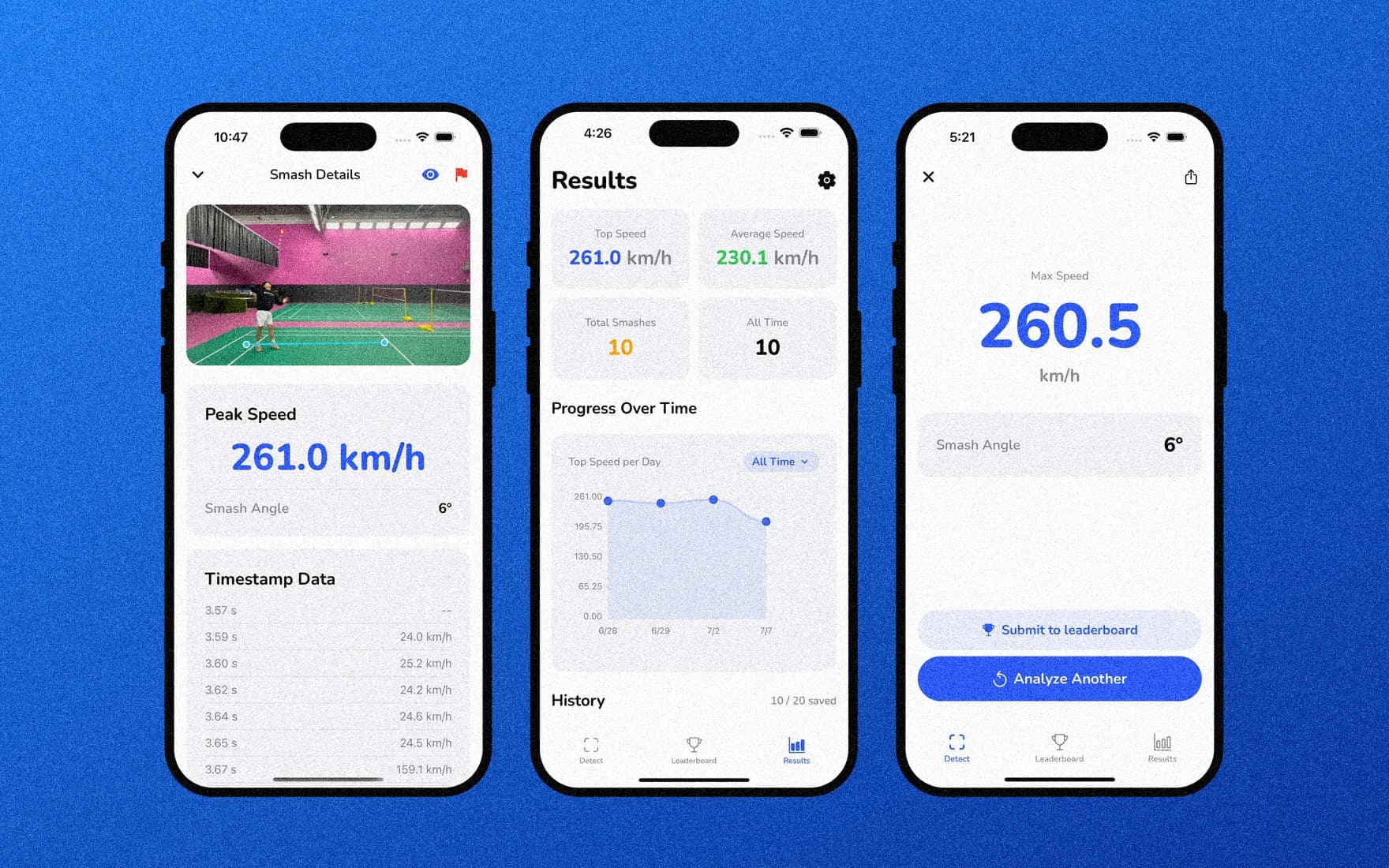
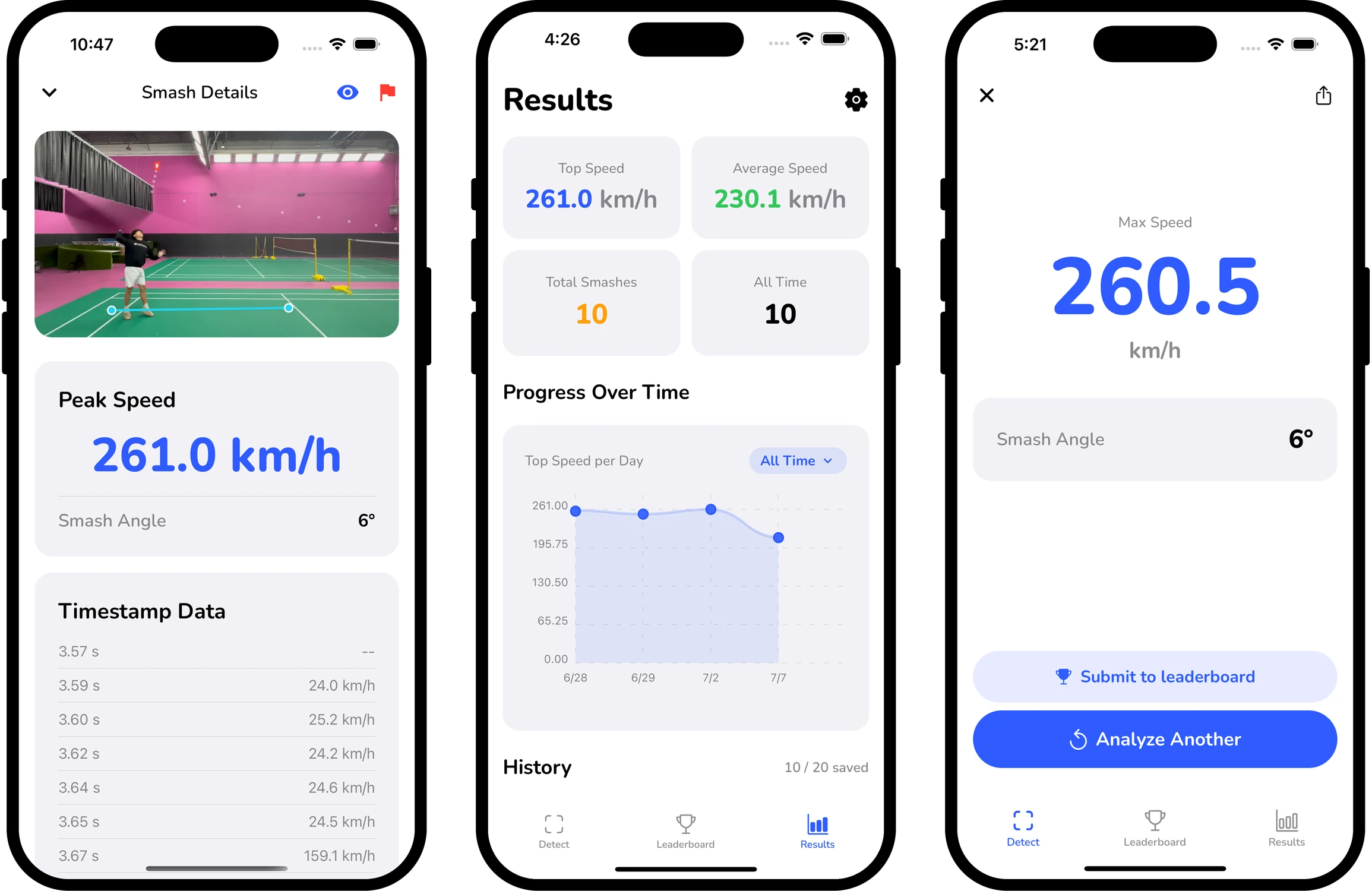
Smashspeed
Founder, CEO · May 2025 to present
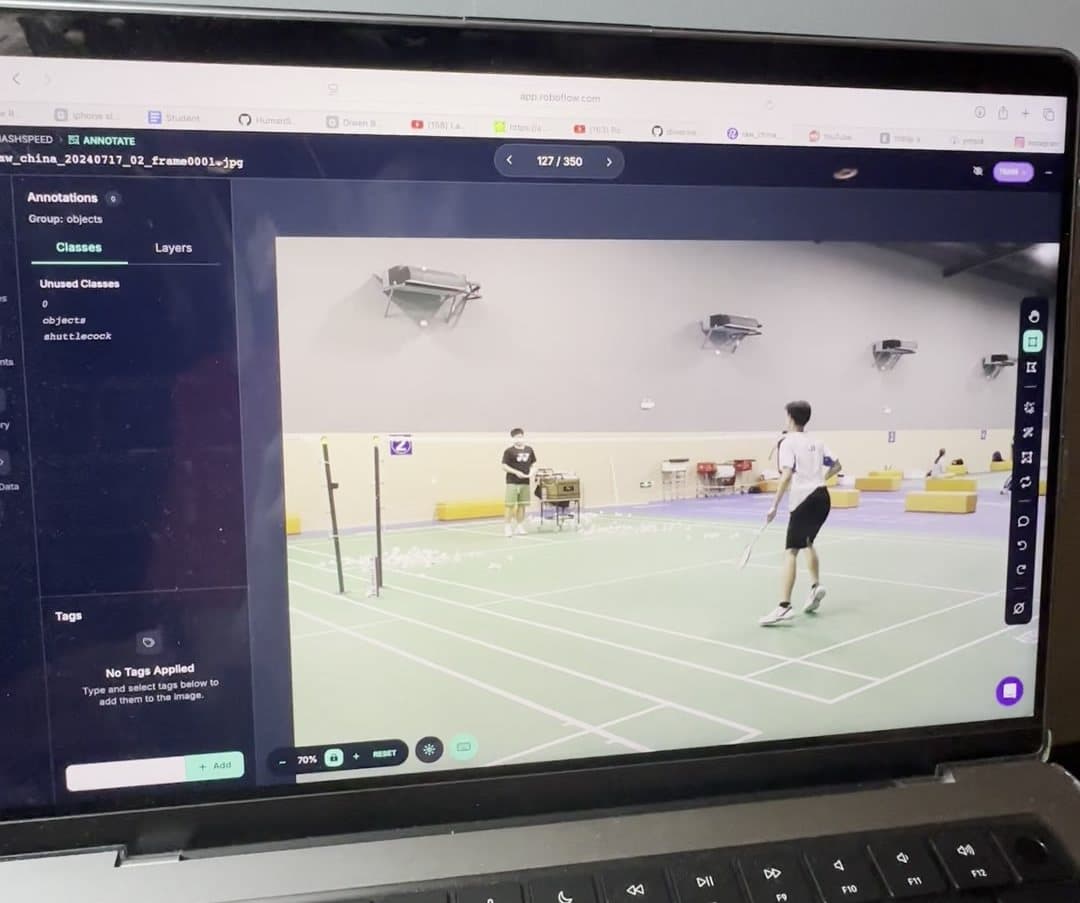
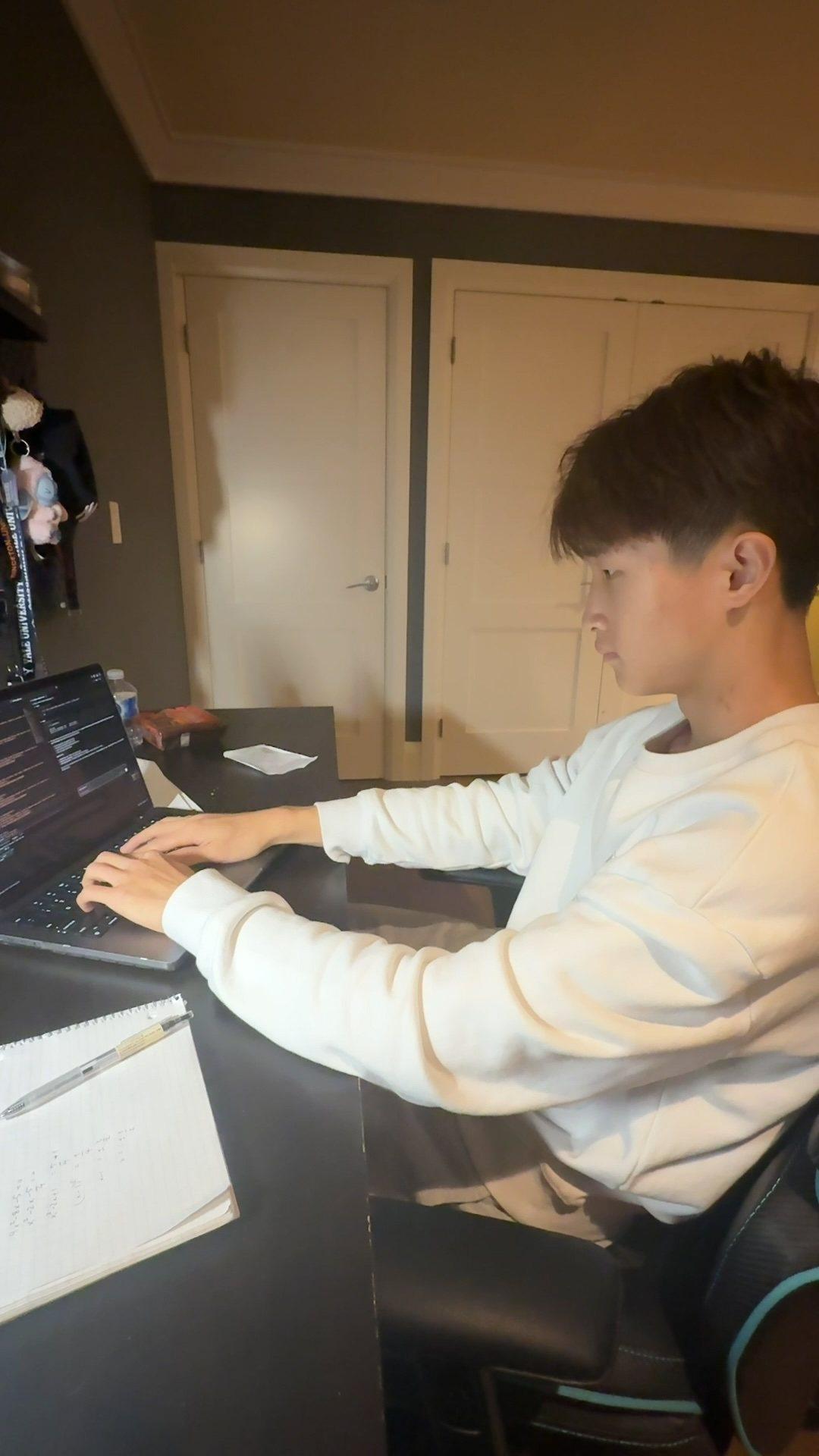
I play badminton, and I wanted to know how fast I could smash without borrowing a radar gun. So in May 2025 I sat down with a laptop and an annotation tool and started labelling shuttlecocks frame by frame, with no idea whether a phone could ever measure a smash.
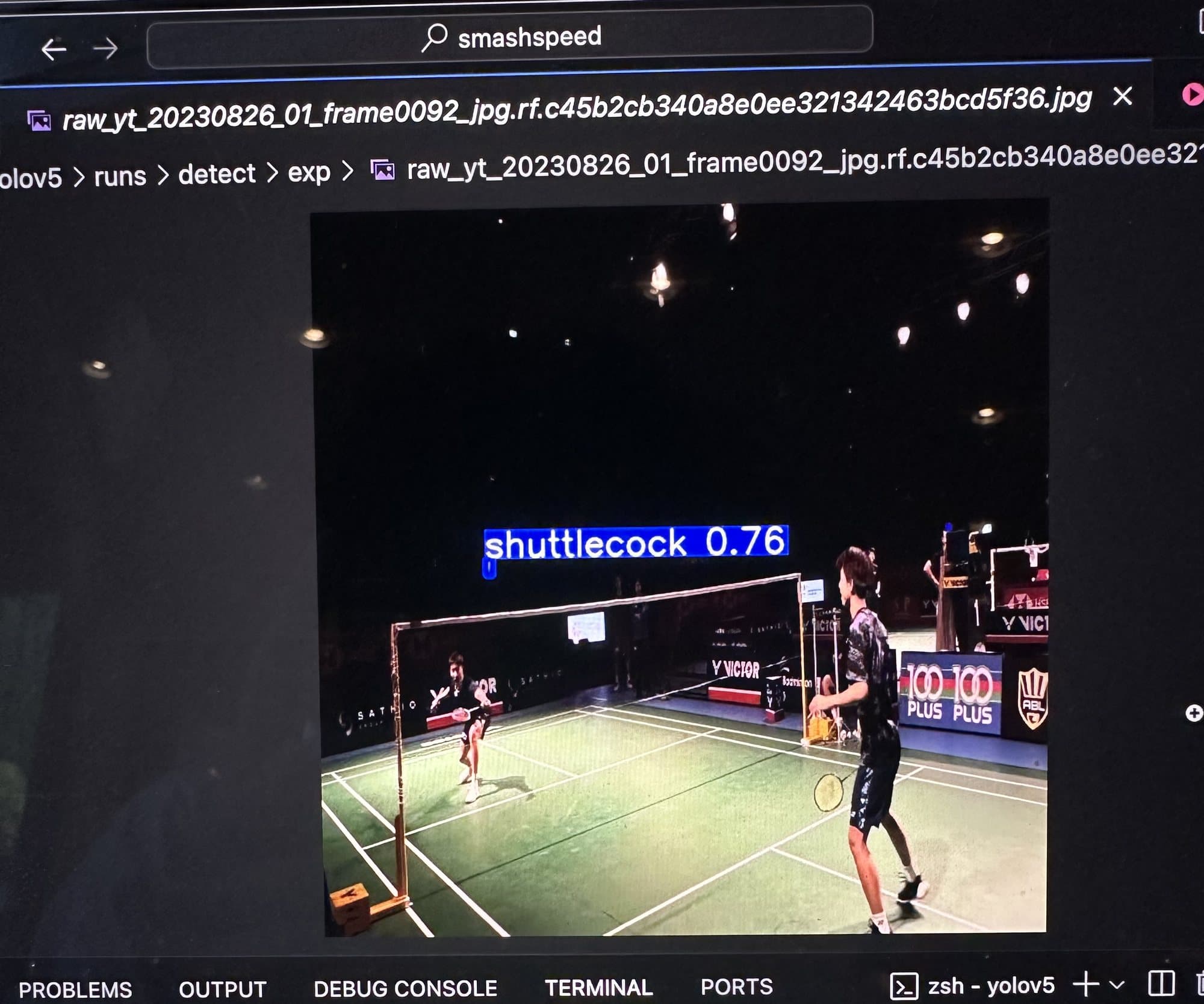
The first sign it might work came on 10 June, when the first YOLOv5 model put a box on the shuttle and a speed beside it.
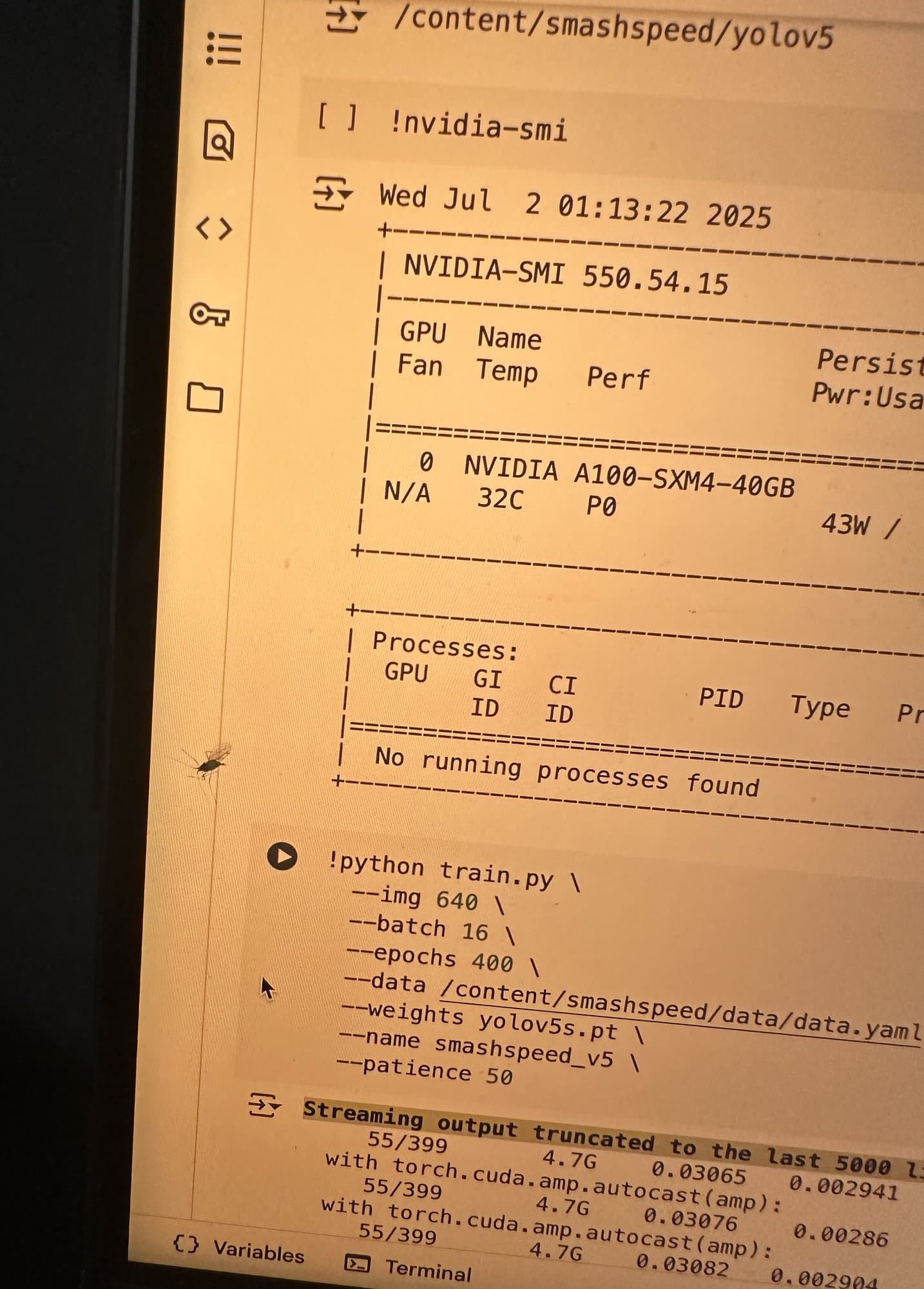
A few weeks later I was training in Colab late at night on an A100, on more than 15,000 images from our own footage.
The model was only half of it, though. A phone video has no depth, and public shuttle datasets are filmed from broadcast angles, high behind the court.
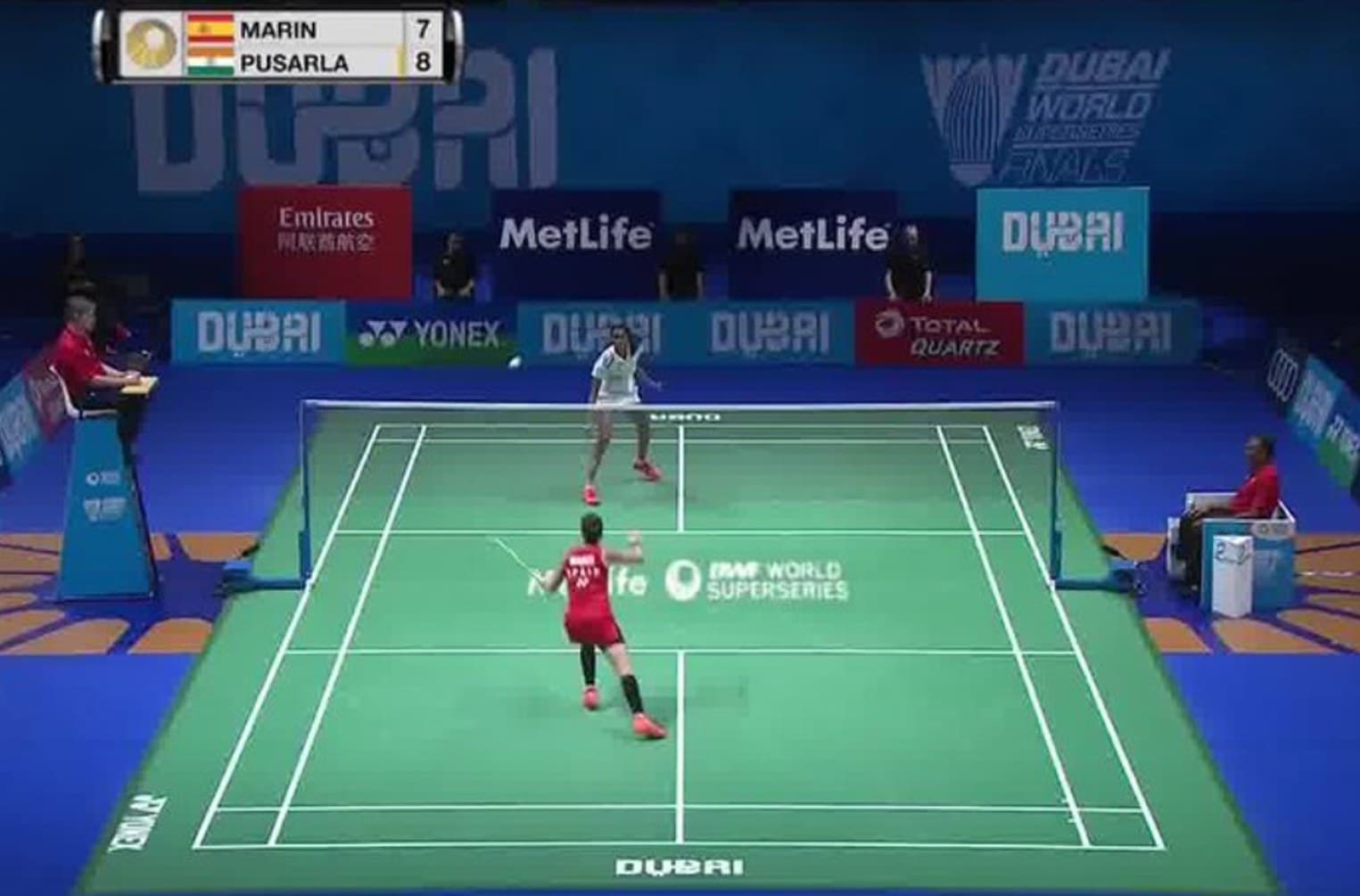
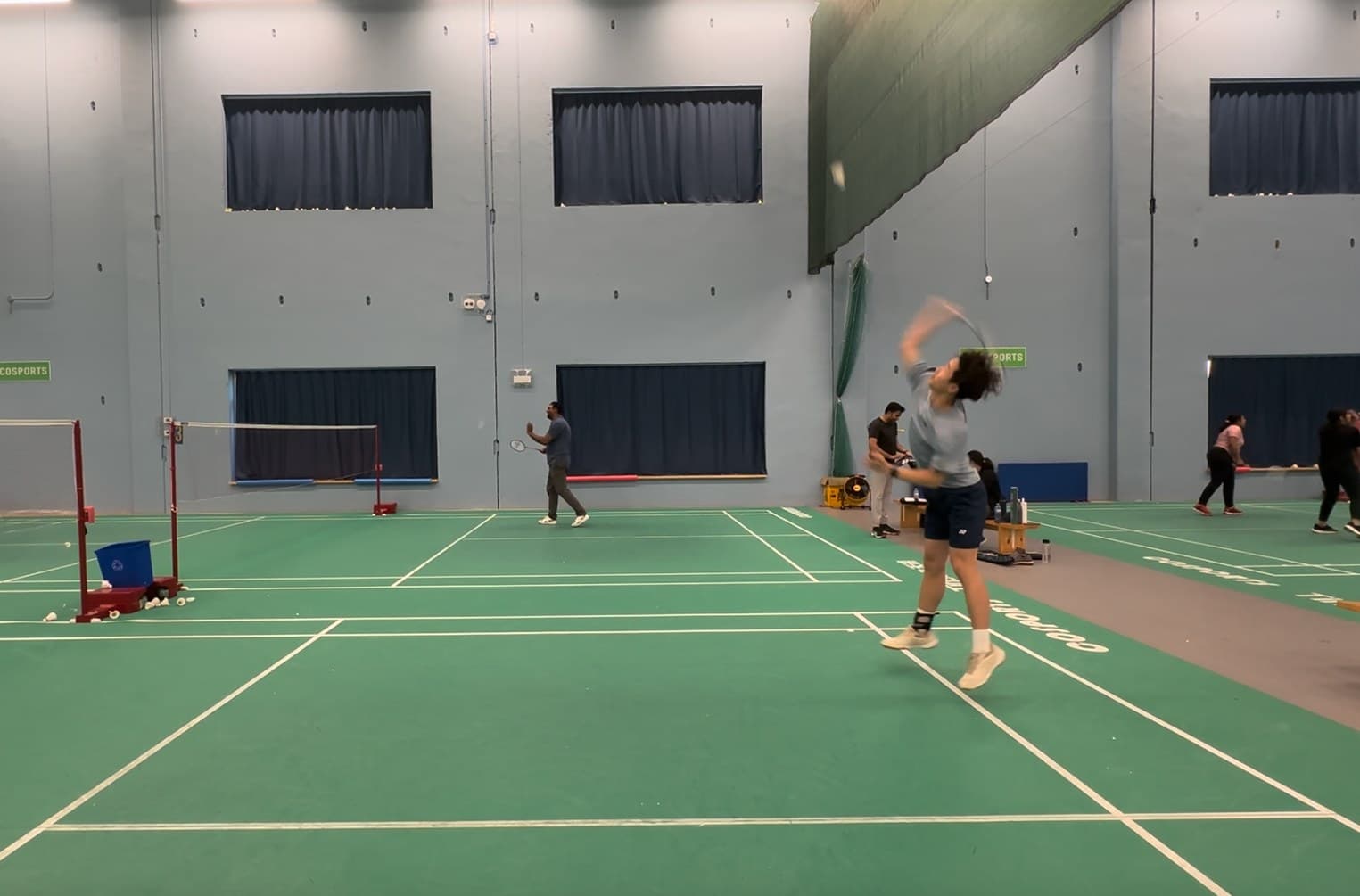
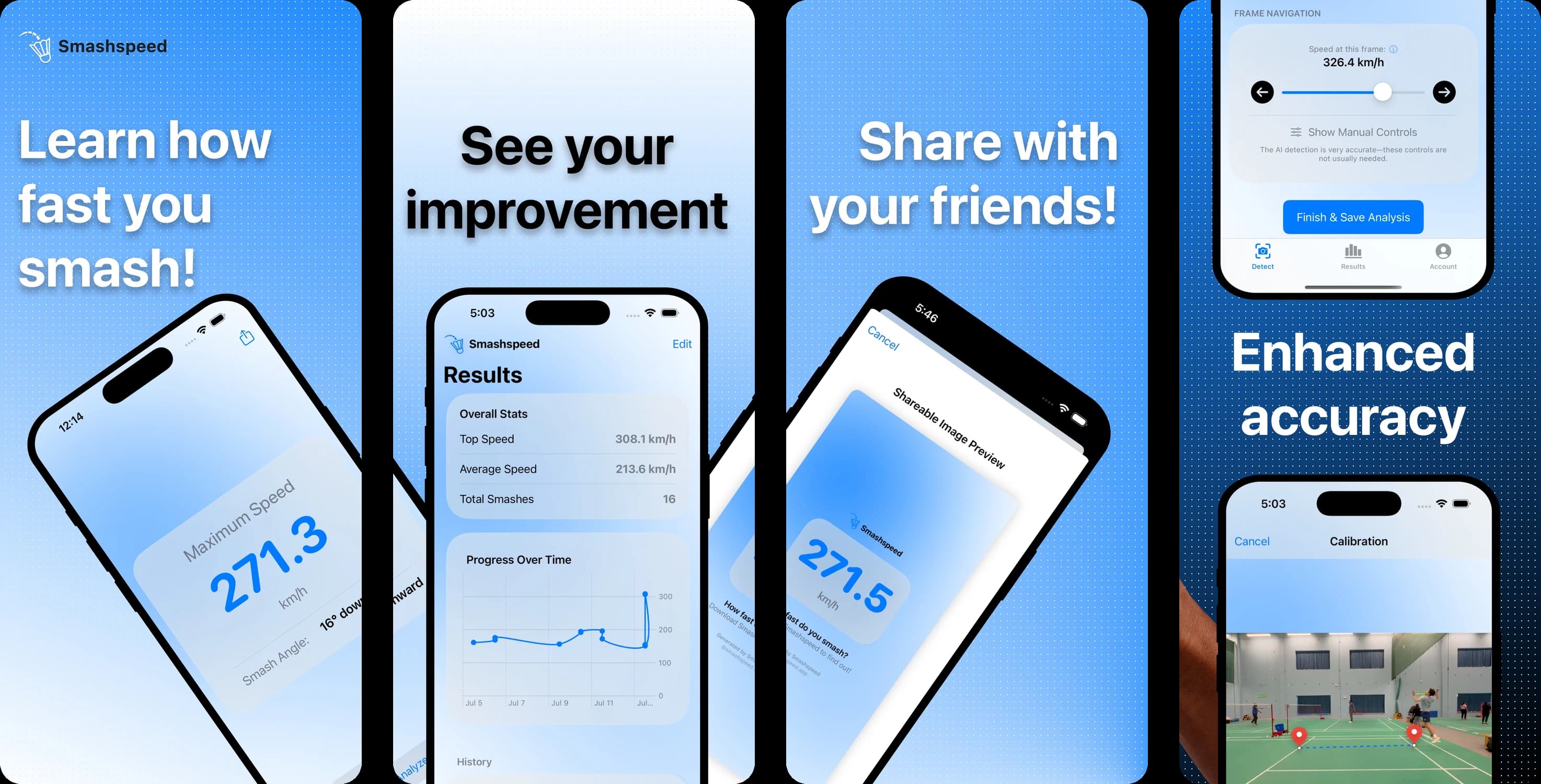
Smashspeed needs the opposite, side on and level with the player, so two taps on a court line set the scale and the speed comes from the leading edge of the blur.
With that working, version 1.0 reached the App Store on 24 July 2025.
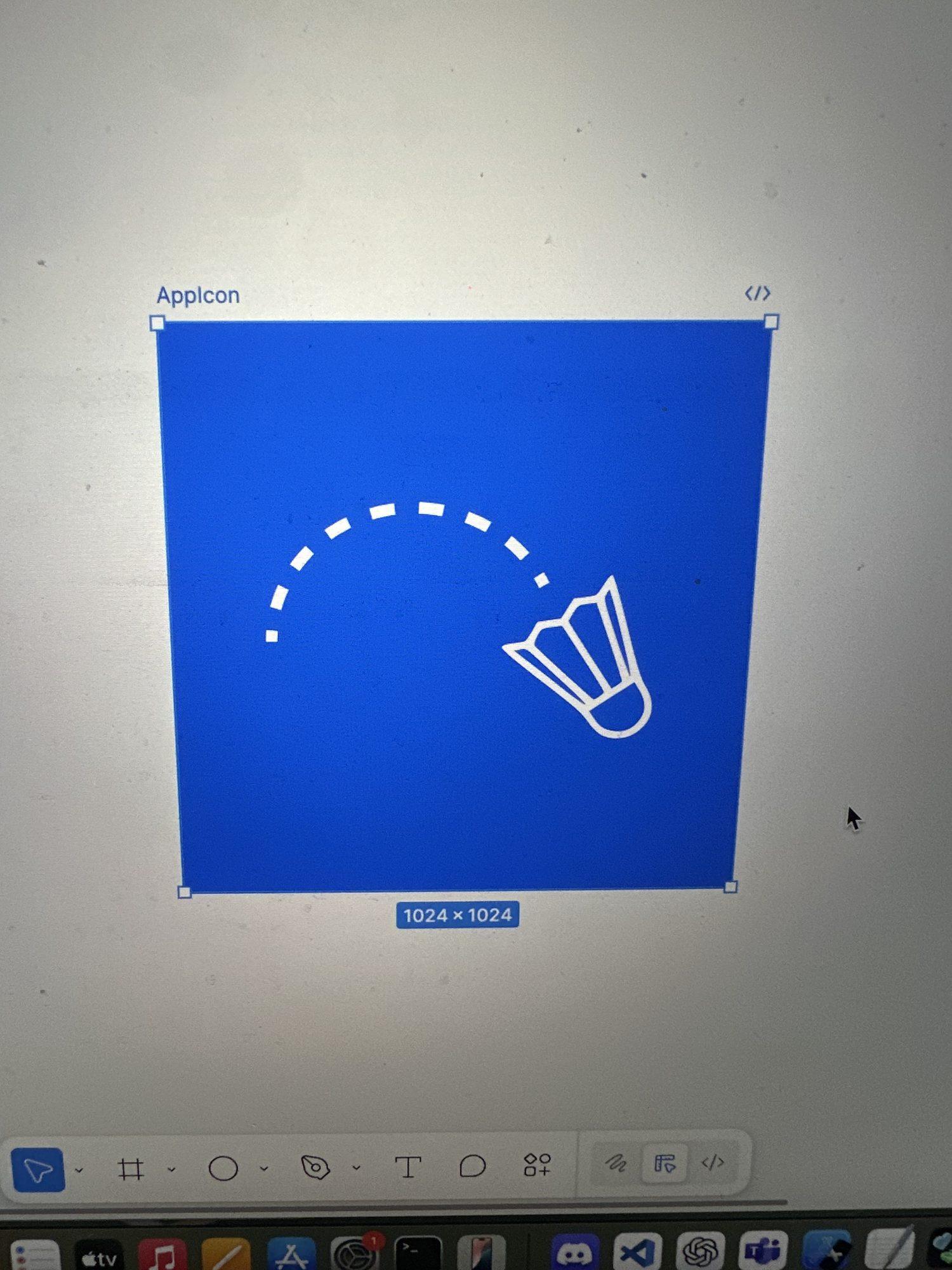
The first logo came from an idea Tristan had, and I drew it in Figma.
07.09.2025
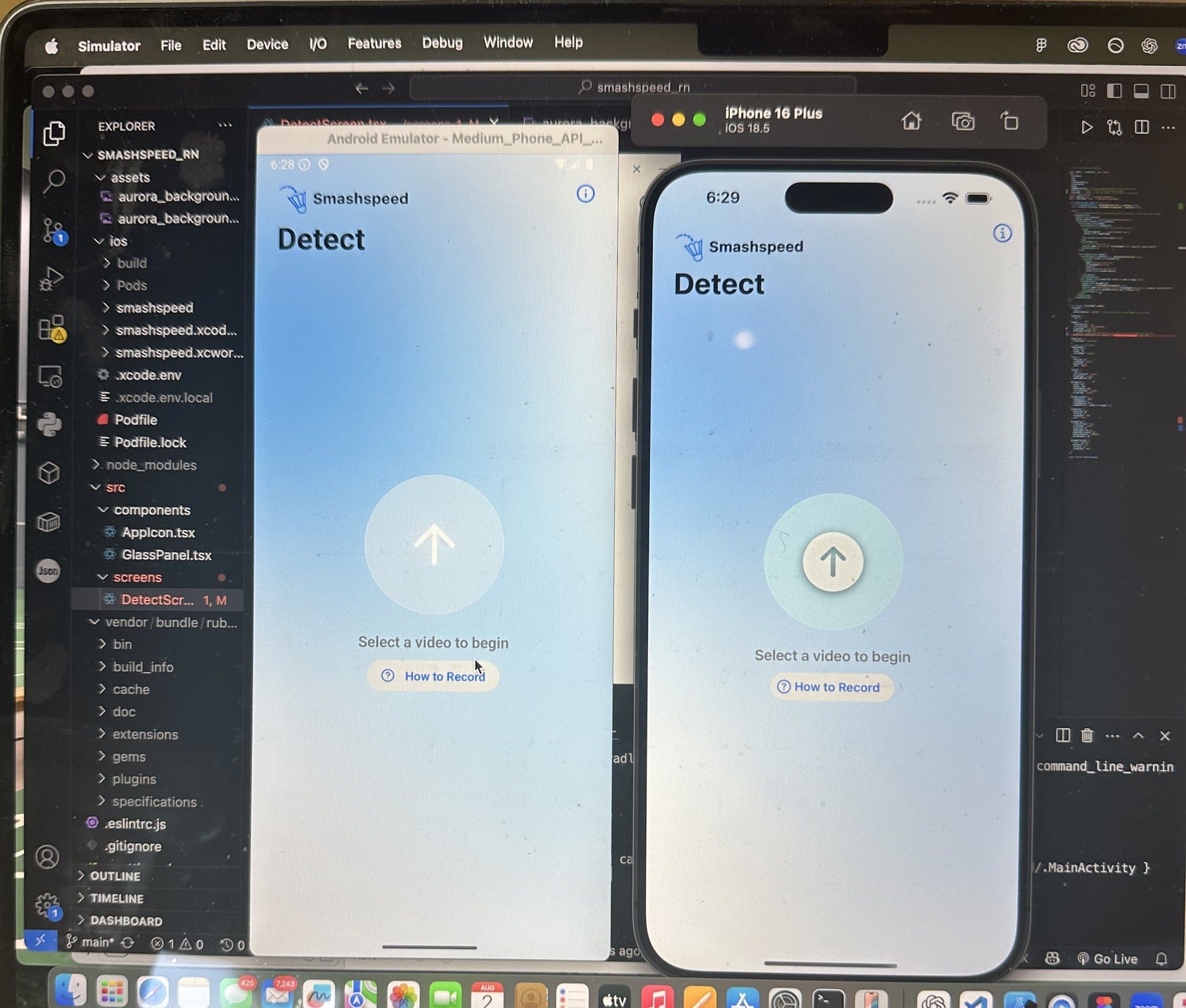
Almost right away, people flooded the DMs asking for Android, so on 31 July I started the React Native rebuild, which became the Google Play app.
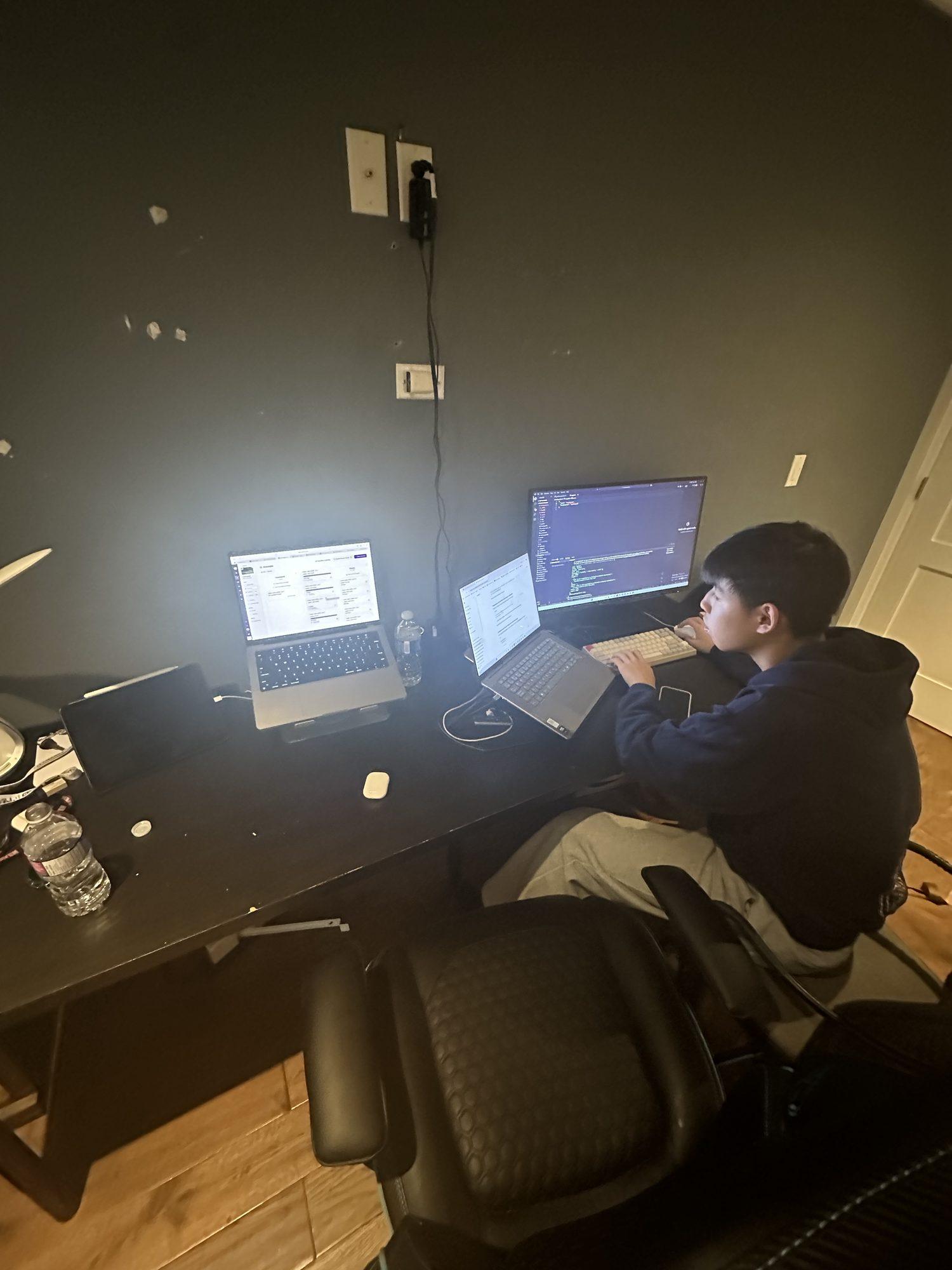
The Smashspeed team and I built it out together in a room, day and night. I could not have done any of it alone.
08.15.2025
10.21.2025
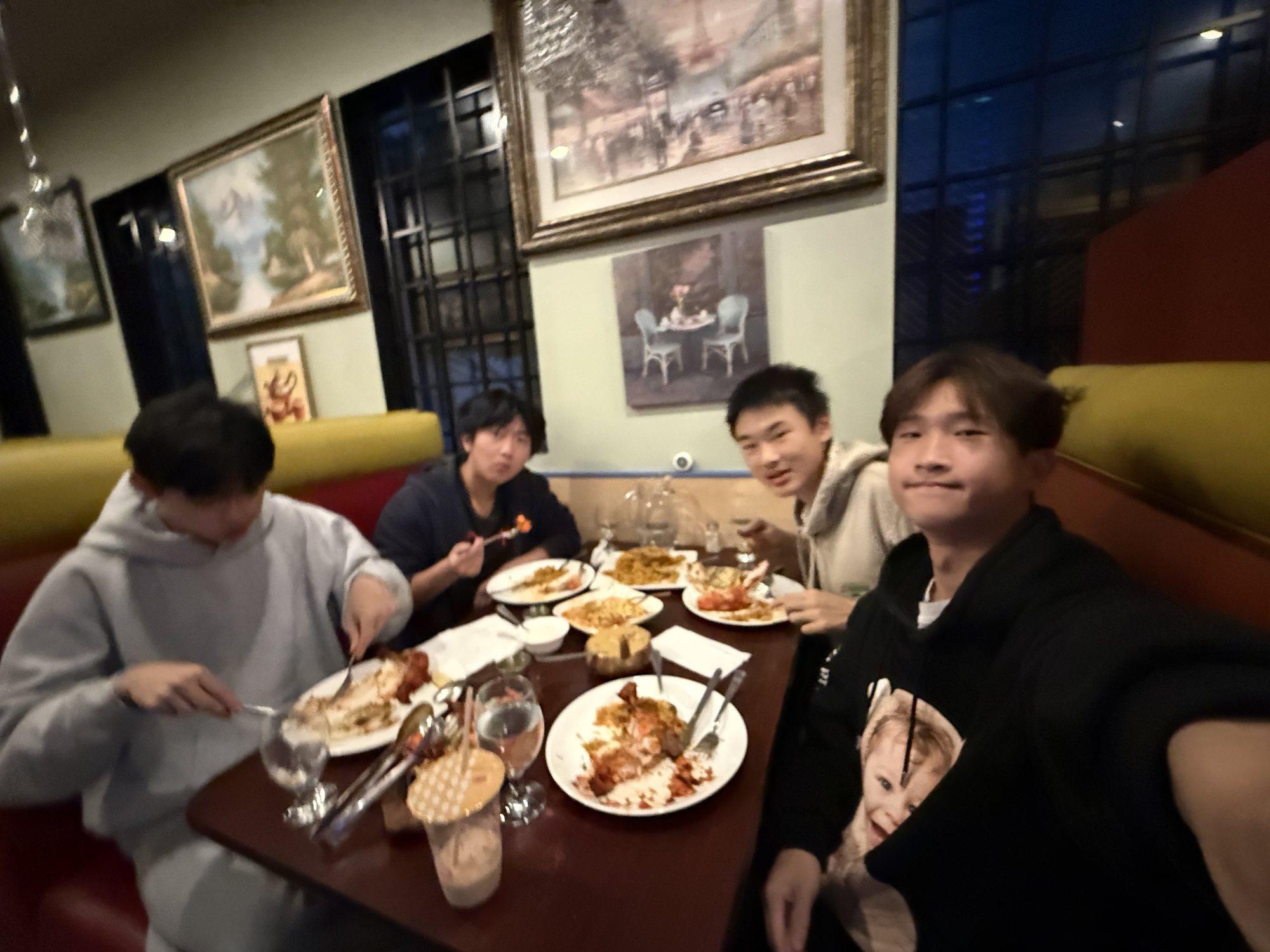
09.30.2025
The Smashspeed founding team ❤️
Around then, Hao came with me to a badminton court to test the app against a radar gun we had borrowed from Facebook Marketplace.
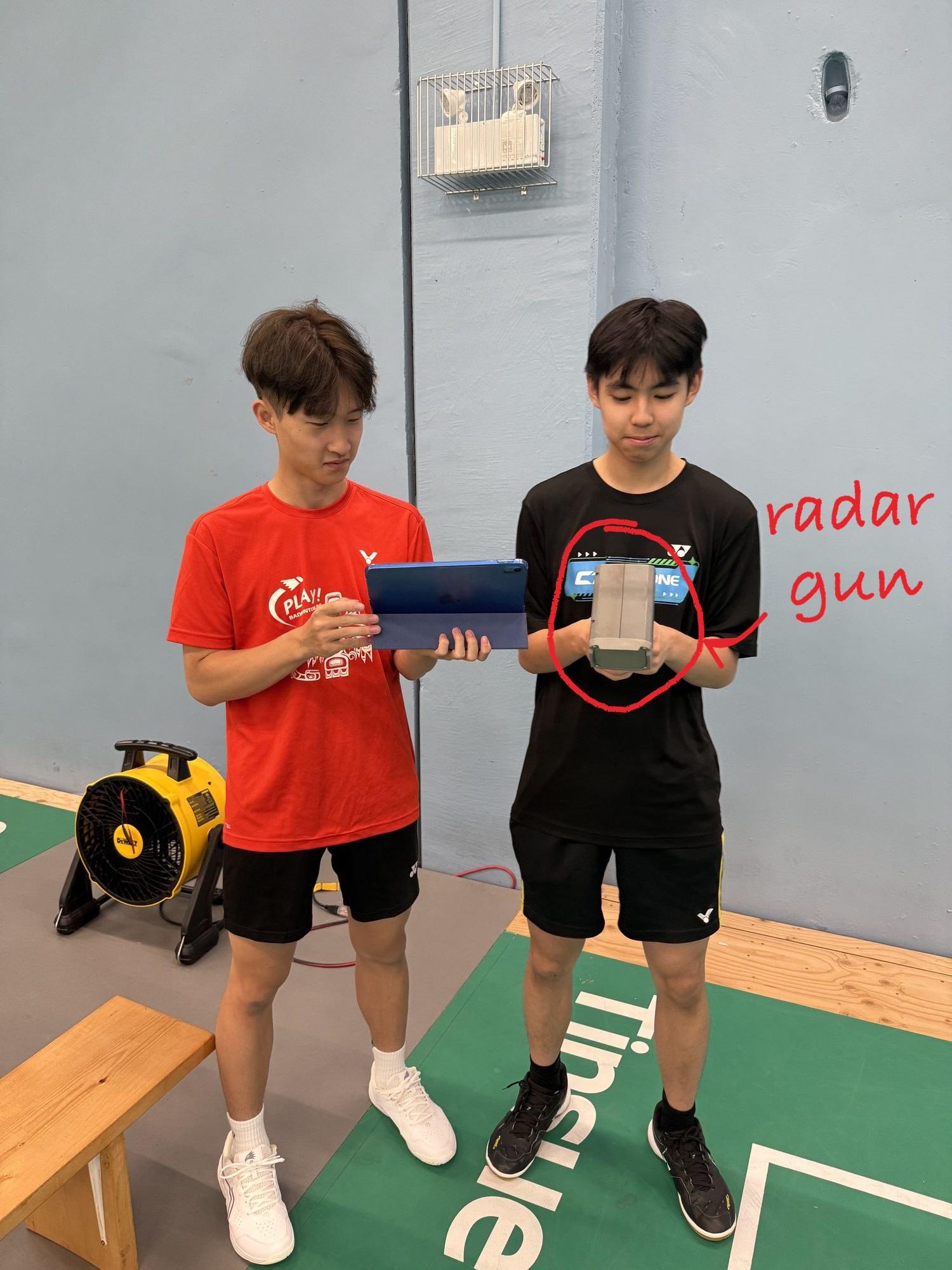
08.28.2025
By August we had reached #1 in Sports on Taiwan's App Store, #2 in Vietnam and #4 in Sports on Google Play.
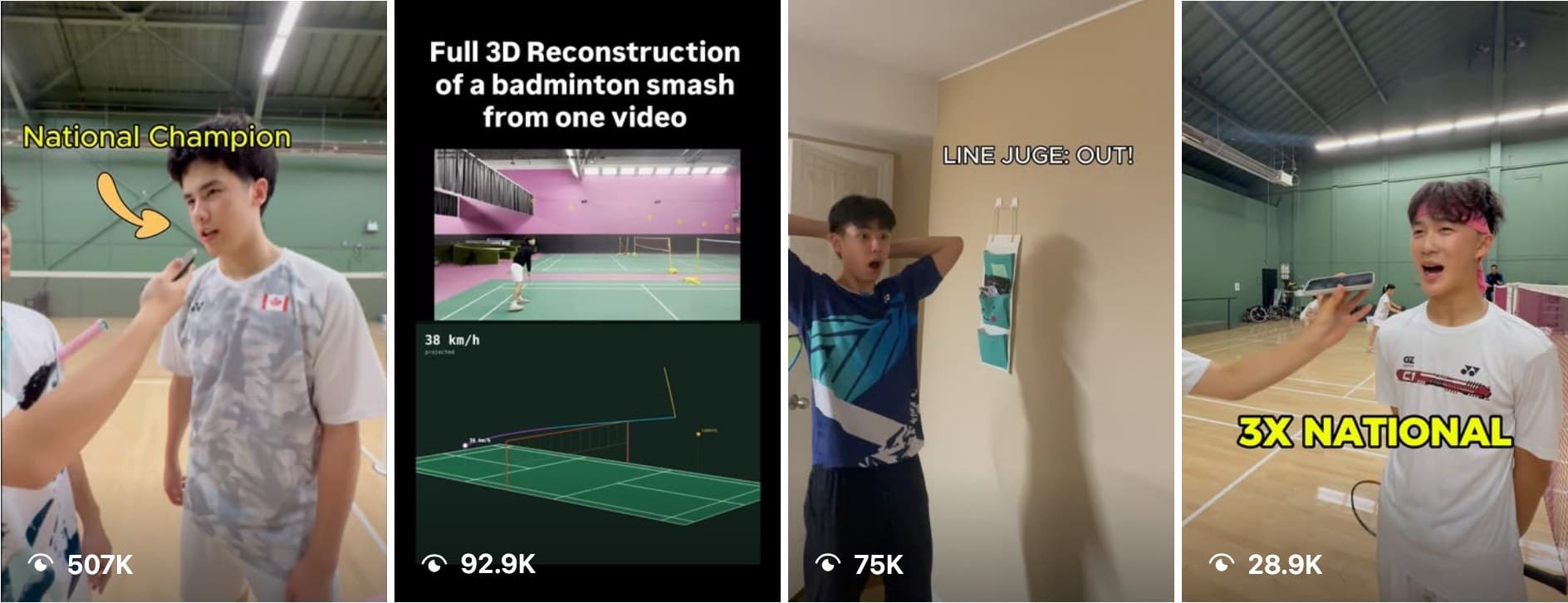
After launch, my favourite part of this whole experience was marketing the app with my friends. We filmed content together at badminton clubs and posted it on @smashspeedai, and one of those videos passed 500,000 views. Videos about Smashspeed have now passed 10 million.
Today Smashspeed has 83,000 users in 130 countries, and the team has grown to nine people. Thank you to everyone who downloaded it, filmed a smash, or sent us a message.
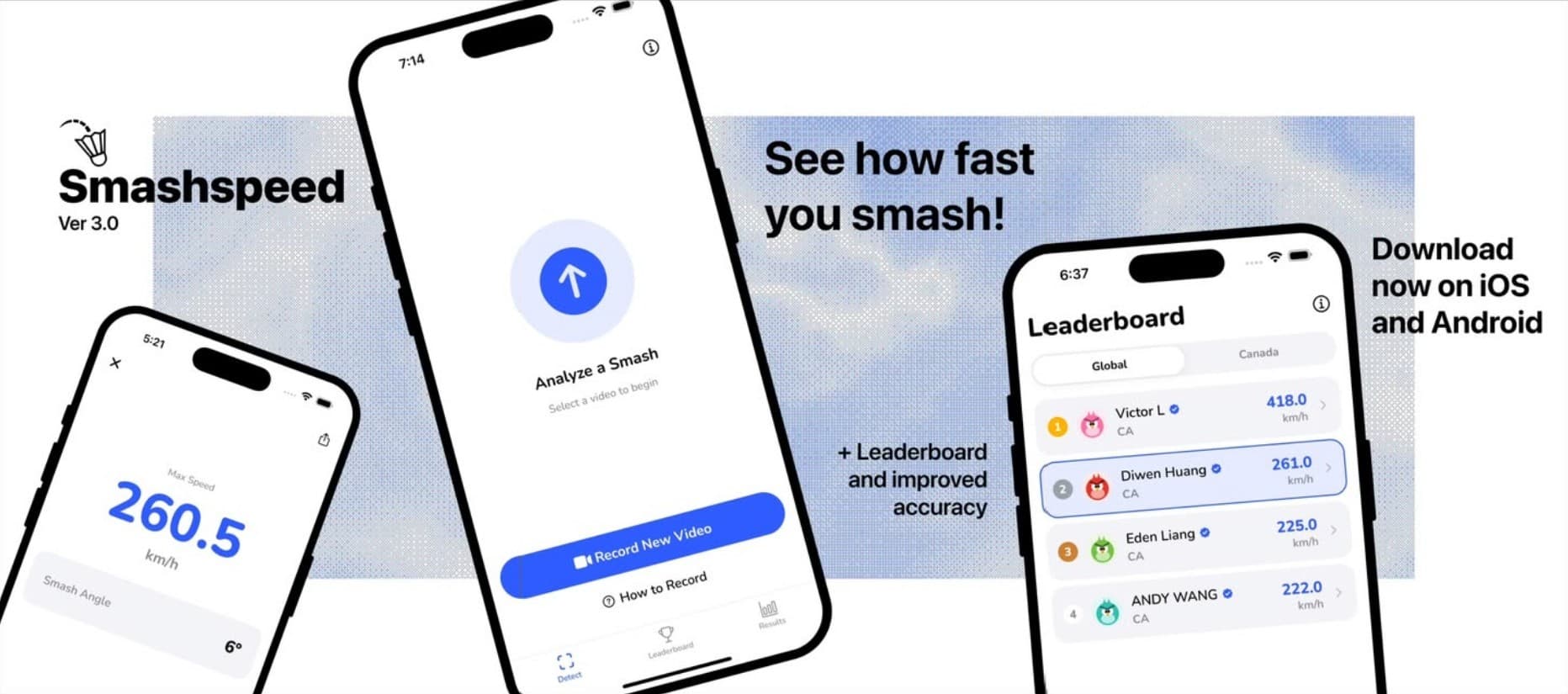
This summer we redesigned both apps from scratch in React Native, and a new model called GridTrackNet, trained on 22,000 images, replaced the YOLOv5 model I started with. I'm really proud of this project, and of the friends I built it with.